

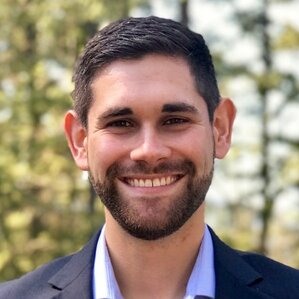
Luke Wiesner, M.S., PCC
Program Director & Trainer
Defuse De-Escalation Training
Luke Wiesner, M.S., PCC is a conflict resolution practitioner, coach, and trainer with more than a decade of experience helping organizations navigate difficult conversations, high-stakes conflict, and emotionally charged workplace situations. As a Program Director and Trainer with Defuse De-Escalation Training (a brand under Pollack Peacebuilding Systems), Luke works with organizations across the U.S. to design and deliver custom, skills-based de-escalation and conflict management programs.
Luke’s work focuses on strengthening relationships while improving performance—especially in environments where unresolved conflict, stress, or miscommunication can quickly escalate.
What Luke Focuses On
Professional Background
Luke holds a Master’s degree in Organizational Leadership, Negotiation, and Conflict Resolution from Creighton University and a Bachelor’s degree in Psychology from Western Washington University. He is a Professional Certified Coach (PCC) through the International Coaching Federation, reflecting advanced training in leadership coaching and applied communication skills.
In addition to his work with Defuse and Pollack Peacebuilding Systems, Luke has supported businesses, non-profits, and higher education institutions, including serving in conflict resolution and coaching roles within university systems. His approach blends structured conflict processes with real-world flexibility—helping teams address issues early, before they escalate.
